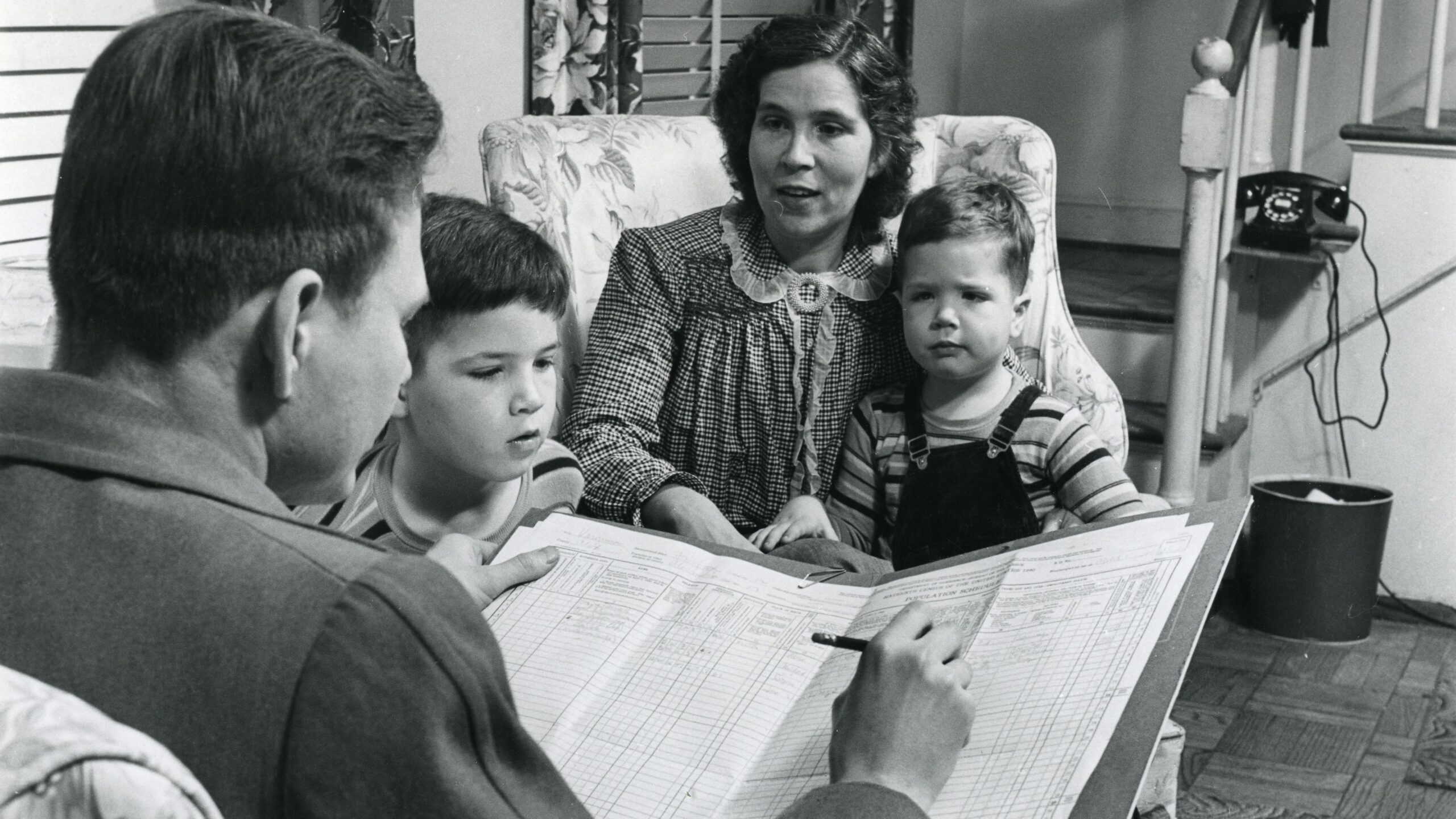
Census Records: A Place to Start
The Record I Started With
The very first day I started learning about genealogy, I went with a youth group to the Family History Library in Salt Lake City. My mom had given me all of her research on my dad’s side of the family and said, “I researched it years ago. It’s yours now. You can have it. It’s your responsibility.”
So I proudly took my sheets with me. These were big, long, legal-sized sheets in what we used to call a Book of Remembrance. They were cumbersome, but I took them with me.
My mom had circled a woman on my pedigree chart. “I’ve been trying for 20 years to find this woman, and I can’t find her,” she told me. “You may have to deal with the fact that this is a dead end.”
I didn’t think much of it. This was just a youth activity, and I didn’t really know what I was doing. But when they got us started researching, for some reason I decided to focus on that woman.
By the time I left, I had found her.
I found her in a census with her children and her mother, who was living in the household. In one record, I had not only found the woman my mom had been looking for, I had extended the family back another generation.
I was ecstatic. My mom had been looking for this woman for 20 years, and somehow, on my very first day doing genealogy, I had found her.
That was it. One big dopamine hit, and I was hooked.
Why I Still Start With Census Records
Census records are still one of my favorite places to start. They’re easy to work with, they’re forgiving, and they can give you a lot of information very quickly.
Depending on when and where someone lived, you may be able to find them in several censuses throughout their lifetime. That gives you several records to compare and can begin to build a picture of that person and their family.
A census might give you an approximate age, a location, and the names of a spouse, children, parents, or siblings. It may tell you someone’s occupation or whether they owned or rented their home. Looking across several censuses can also help you see whether a family stayed in one place or moved over time.
That’s why, once I’ve gathered what I already know about someone, I tend to look for census records first. They aren’t the only records I use, but they can give me enough information to begin figuring out where to go next.
Start With Someone You Already Know
If you’re new to census research, start with someone you already know something about. You don’t need to begin with the ancestor who has been a mystery for generations.
For example, suppose you know your grandfather’s name, your grandmother’s name, and that they were married. Look for the couple in a census taken after their marriage. Finding them together can help you establish that you have the right couple in the right place before you start moving back into information you don’t know.
Once you move to a census before their marriage, things may look different. Your grandfather may be living with his parents, living on his own, or he may even have been married previously. The census where you found your grandparents together gives you information—his age, location, and other details—that you can use to decide whether you’ve found the same person in other censuses and documents.
Add Another Census to the Picture
Once you’ve found your grandparents together in one census, try finding them together in another. This gives you another record to compare and a little more evidence that you have the right people.
Compare what you find in both censuses. Do their ages make sense? Are they living in the same place or somewhere nearby? Are some of the same family members in the household?
You don’t need everything to match perfectly. You’re simply gathering a little more information and documentation before moving into things you don’t know.
Now look at what those censuses tell you. What other clues can you find?
Let What You Find Tell You What Comes Next
When you are first starting out, it can be tempting to jump immediately to birth, marriage, or death records. But before you do that, look at what you’ve already learned from the censuses.
The information you find there can help you recognize the right person when you move into other records. A name by itself may not be enough. But now you may also have an approximate age, a spouse’s name, possibly the names of children or other family members, an occupation, or a place where the family was living. Those details give you something to compare when you find another record.
They can also raise new questions. If a woman is listed as widowed, when did her husband die? If you find a marriage record, does what you already know suggest this was her first marriage—or could she have been married before?
You don’t have to know exactly where your research will lead when you start. Begin with the census, pay attention to the clues it gives you, and let those clues help you decide what to look for next.
Try It Today
You don’t need to learn every type of genealogy record at once. I didn’t. I started with census records and learned how to use them by finding the people I already knew.
So start with one person or couple you know something about. Find them in a census and write down what you learn. Then see if you can find them in another census and compare the two.
What stayed the same? What changed? What new clues did you find?
If that’s all you do today, you’ve made a start. And if you’re curious where those clues might lead, keep going. The next step is up to you. Just let the information you have gathered from these censuses guide you along your way.
Notes & Additional Resources
1. Family History Library name change. The Family History Library in Salt Lake City was renamed the FamilySearch Library in January 2023. I have used the former name in this article because that was the name of the library at the time of my visit.
FamilySearch — “Family History Library and Centers Change Names”
2. Using census records for genealogical research. The U.S. National Archives explains that census records can provide the “building blocks” for genealogical research and, depending on the census year, may include information such as names, ages, birthplaces, marital status, occupations, addresses, and property information. It also notes that the information available varies by census year.
U.S. National Archives — “About Census Records”
3. Comparing census records. The U.S. National Archives recommends using information found in one census—including names, ages, birthplaces, occupations, and household relationships—to help locate the same individuals in other censuses. It also cautions that information may not be completely consistent from one census to another.
U.S. National Archives — “20 Tips for Census Research Success”
Image Credit
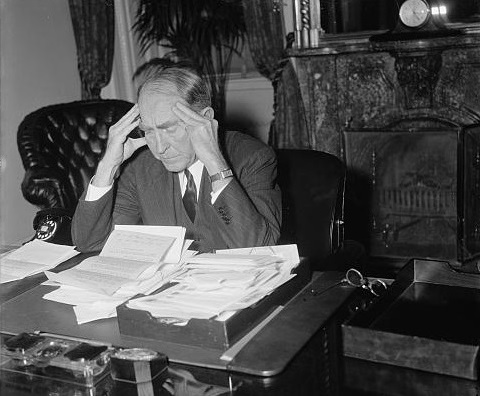
Photo by Mottar, U.S. Department of State. Courtesy of the U.S. National Archives and Records Administration, NAID 207899869.